

Llega más lejos con GO Markets
Opera de forma más inteligente con un bróker global de confianza. Spreads bajos, ejecución rápida, sin comisiones por depósito, plataformas potentes y soporte al cliente galardonado.
20 Años de Solidez
Celebramos 20 años de excelencia en trading.
Diseñado para traders desde 2006.

Para principiantes
¿Estás
empezando?
Explora los fundamentos y gana confianza.

Para traders intermedios
Lleva tu estrategia
al siguiente nivel
Accede a herramientas avanzadas para obtener perspectivas más profundas que nunca.

Profesionales
Para traders
profesionales
Descubre nuestra oferta especializada para traders de alto volumen e inversionistas sofisticados.
Obtenga más de cada operación
Explora nuestras ofertas especiales por tiempo limitado

Get Started with GO Markets
Whether you’re new to markets or trading full time, GO Markets has an
account tailored to your needs.


Con la confianza de traders en todo el mundo
Desde 2006, GO Markets ha ayudado a cientos de miles de traders a alcanzar sus objetivos de trading con confianza y precisión, todo ello respaldado por una regulación sólida, un servicio centrado en el cliente y una Educación galardonada.
*Trustpilot reviews are provided for the GO Markets group of companies and not exclusively for GO Markets Ltd.




























*Awards were awarded to GO Markets group of companies and not exclusively to GO Markets Ltd.
Explora más de GO Markets

Mercado de CFD
Opera con CFDs en forex, índices, acciones, materias primas, metales, ETF y más.

Plataformas & herramientas
Cuentas de trading con tecnología sin complicaciones, soporte al cliente galardonado y acceso fácil a opciones de fondeo flexibles.

Academia
Aprende las habilidades, estrategias y mentalidad detrás del éxito en el trading a largo plazo.

Cuentas & tarifas
Compara tipos de cuenta, consulta los spreads y elige la opción que se adapte a tus objetivos.

Llega más lejos con GO Markets
Explore miles de oportunidades de negociación con herramientas de nivel institucional, ejecución fluida y Soporte galardonado. Abrir una cuenta es rápido y fácil.
Noticias & análisis
Herramientas potentes para todos los estilos y preferencias de trading.
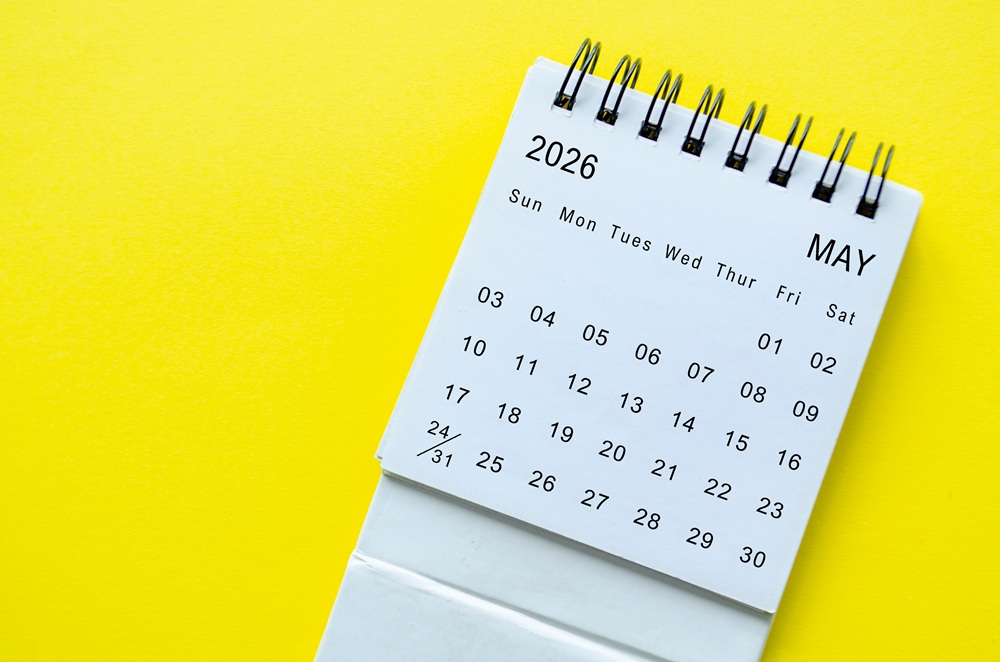
As we enter May 2026, the global FX market is attempting a difficult high-wire act. April was defined by “civilisation-ending” ultimatums and a Pakistani-brokered ceasefire that sent Brent crude on a rollercoaster from US$110 down to the mid-US$90s.
For traders, the connect-the-dots moment is this: the peak panic around the Iran conflict has faded, but it has been replaced by a structural regime shift. Markets may be moving from a war premium to a transition premium.
With Kevin Warsh nominated to take the Fed chair in mid-May and the Bank of Japan (BOJ) staring down a generational ceiling near 160.00, the calm in the headlines may be masking a major repricing of global yield differentials.
Strongest mover: US dollar (USD)
The US dollar enters May with a new kind of ballast. While the ceasefire reduced the immediate need for a panic hedge, the nomination of Kevin Warsh, widely viewed as an inflation hawk, has provided a structural floor for the greenback.
Weakest mover: Japanese yen (JPY)
If you wanted to design a currency to struggle in 2026, the yen fits the brief. Despite the “TACO” script, short for “Trump always chickens out”, providing some relief to equities, the mathematical pressure on JPY remains significant.
Data to watch next
Four events stand out as the clearest catalysts. Each has a direct transmission channel into rate expectations.
Key levels and signals
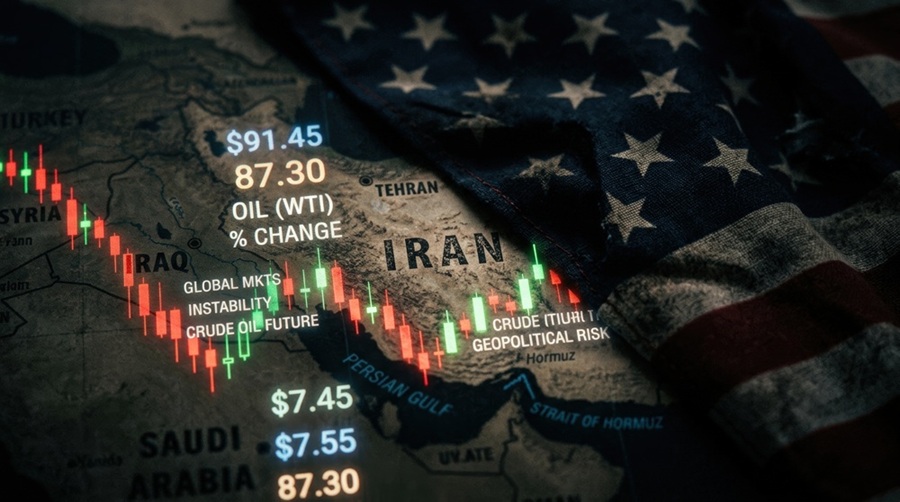
El mercado petrolero tiene la costumbre de parecer asentado justo antes de que deje de estar asentado. Esa es la configuración ahora.
El tráfico a través del Estrecho de Ormuz ha caído bruscamente a medida que el conflicto en torno a Irán se ha intensificado, y más embarcaciones se están oscureciendo al apagar AIS, o Sistema de Identificación Automática, señales que generalmente muestran hacia dónde se mueven los barcos. Ormuz no es solo otra vía de envío. Es uno de los puntos de estrangulamiento energético más importantes del mundo, por lo que cuando la visibilidad comienza a desaparecer, el riesgo de suministro vuelve al centro de la conversación.
Por qué esto es importante ahora
Esto importa por un par de razones.
El movimiento titular es una cosa. La implicación del mercado es otra. El petróleo no solo se trata de cuántos barriles existen, sino que también se trata de si esos barriles pueden moverse, quién está dispuesto a asegurarlos, cuánto tiempo están dispuestos a esperar los compradores y cuánto riesgo extra sienten los comerciantes que necesitan cotizar.
En este momento, tres cosas están chocando a la vez: el transporte marítimo interrumpido, la diplomacia frágil y un mercado que ya se inclina fuertemente en una dirección. Esa combinación puede hacer que Brent se mueva más rápido de lo que normalmente sugerirían los fundamentos por sí solos.
¿Qué es lo que impulsa la mudanza?
1 La visibilidad del suministro se está deteriorando
El primer controlador es simple. El mercado puede ver menos, y eso tiende a ponerlo más nervioso.
El tránsito a través de Ormuz ha caído bruscamente, mientras que una proporción creciente del tráfico ha involucrado a barcos que ya no emiten señales de seguimiento estándar. En un inglés sencillo, menos embarcaciones se mueven normalmente a través de un corredor crítico, y cada vez más de la actividad es cada vez más difícil de rastrear. Eso no significa automáticamente que la oferta esté a punto de colapsar. Pero sí significa que la incertidumbre está aumentando.
2 El búfer de almacenamiento de información de Irán puede ser limitado
El segundo impulsor es la restricción de exportación y almacenamiento de Irán.
La capacidad de almacenamiento en tierra se estima en unos 40 millones de barriles, y el mercado está observando lo que algunos describen como una línea roja de 16 días. Ese es el punto en el que una interrupción prolongada de las exportaciones podría comenzar a obligar a los recortes de producción para evitar daños a los embalses. Para los lectores más nuevos, la comida para llevar es sencilla. Si el petróleo no puede salir de almacenamiento durante el tiempo suficiente, el problema puede dejar de ser el retraso en las exportaciones y comenzar a convertirse en un verdadero problema de suministro.
3 El posicionamiento podría amplificar el movimiento
El tercer impulsor es el posicionamiento, que es solo una abreviación del mercado de cómo los comerciantes ya están configurados antes de que ocurra el siguiente movimiento.
En este caso, el posicionamiento crudo especulativo parece fuertemente unilateral. Eso importa porque cuando un mercado se inclina demasiado en una dirección, no se necesita mucho para desencadenar un ajuste brusco. Un nuevo choque geopolítico podría obligar a los comerciantes a moverse rápidamente, y una vez que comience, el precio puede correr más duro de lo que las noticias subyacentes por sí solas podrían justificar.
Por qué el mercado se preocupa
Un shock petrolero rara vez se queda contenido dentro del mercado energético.
Los precios más altos del crudo pueden comenzar a aparecer en las facturas de fletes, manufactura y energía de los hogares. Eso significa que las expectativas de inflación pueden comenzar a subir nuevamente. Los bancos centrales ya están tratando de manejar un difícil equilibrio entre una inflación pegajosa y un crecimiento más suave, por lo que un mayor petróleo puede dificultar ese trabajo.
Y esto no es solo una historia sobre productores de petróleo recibiendo un ascensor. Las aerolíneas, las compañías de transporte y otras empresas sensibles al combustible pueden verse presionadas rápidamente cuando aumentan los costos de energía. Los mercados bursátiles más amplios también podrían tener que repensar las perspectivas de política si el aumento del petróleo mantiene la inflación más firme de lo esperado.
Los efectos ondulados van mucho más allá del petróleo
También hay un ángulo de moneda, y es menos sencillo de lo que parece a primera vista.
Las monedas vinculadas a las materias primas, como el dólar australiano, a menudo reciben apoyo cuando los precios de las materias primas suben. Pero esa relación no es automática. Si el petróleo está subiendo porque la demanda mundial está mejorando, eso puede ayudar. Si está subiendo porque el riesgo geopolítico se está disparando, los mercados pueden cambiar al modo de desactivación del riesgo, y eso puede pesar sobre el dólar australiano incluso a medida que suben los precios de las materias primas.
Eso es lo que hace que este tipo de movimiento sea más interesante de lo que parece a primera vista. El mismo rally petrolero puede apoyar una parte del mercado mientras ejerce presión sobre otra.
Activos y nombres en el marco
El crudo Brent sigue siendo la lectura más clara sobre el riesgo de oferta amplio. Si los comerciantes quieren la expresión más limpia de la historia del titular, generalmente es aquí donde miran primero.
- ExxonMobil es uno de los nombres más obvios en el encuadre. Los precios más altos del petróleo pueden respaldar los precios de venta logrados y el impulso de las ganancias a corto plazo, aunque nunca es tan simple como subir el petróleo, abastecerse. Los costos, la mezcla de producción y el sentimiento más amplio siguen siendo importantes.
- NextEra Energy agrega otra capa. Esta historia no es sólo sobre combustibles fósiles. Cuando la seguridad energética se convierte en una preocupación mayor, los argumentos a favor de la resiliencia eléctrica doméstica, la inversión en la red y la generación alternativa también pueden fortalecerse.
- AUD/USD es otro mercado que vale la pena observar. Australia está estrechamente ligada a los ciclos de productos básicos, por lo que los precios más fuertes de las materias primas a veces pueden respaldar la moneda. Pero si los mercados están reaccionando más al miedo que al crecimiento, ese viento de cola habitual puede no aguantar.
Para los lectores más nuevos, el punto clave es que los movimientos petroleros no se extienden a través de los mercados en una línea ordenada y predecible. Se ondulan hacia afuera de manera desigual, ayudando a algunos activos, presionando a otros y, a veces, haciendo ambas cosas al mismo tiempo.
Lo que podría salir mal
Una narrativa fuerte no es lo mismo que un comercio unidireccional.
Un alto el fuego podría estabilizar los flujos marítimos más rápido de lo esperado. La OPEP+ podría compensar parte de la estanqueidad elevando la producción. Los datos de demanda de China podrían decepcionar, cambiando el enfoque hacia un consumo débil en lugar de una oferta limitada. Y si la prima geopolítica se desvanece, el petróleo podría retroceder más rápidamente de lo que sugiere el estado de ánimo actual.
Para los lectores más nuevos, la comida para llevar es simple. Los mítines petroleros pueden ser reales sin ser permanentes. Un movimiento puede justificarse a corto plazo por el riesgo de interrupción, y luego revertirlo rápidamente si esos riesgos disminuyen o si la demanda se suaviza.
El mercado ya no está tarifando el petróleo de forma aislada. Es la visibilidad de precios, la seguridad del transporte y el riesgo de que la interrupción del suministro se derrama en inflación, divisas y sentimiento de riesgo más amplio.
Por eso Ormuz importa, incluso para los lectores que nunca comercian un barril de crudo ellos mismos.

Hemos pasado las tres últimas entregas de esta serie mapeando la fontanería de la economía 2026: los bancos que anclan la capital, las utilidades que suministran los electrones, y los fabricantes de chips construyendo el silicio. A medida que la temporada de reportajes de abril avanza hacia su acto final, la atención se desplaza hacia la puerta principal.
Meta, Amazon y Apple se sientan en el punto en el que la creación de IA se encuentra con los consumidores y negocios cotidianos.
Por qué el retorno de la inversión es ahora el foco
Una dura división, a veces llamada la “Gran Dispersión”, se está abriendo entre las empresas que habilitan la IA y las empresas que la monetizan. Meta y Amazon están en el centro de un ciclo masivo de gasto de capital (capex), frente a un gasto estimado en toda la industria de aproximadamente 650 mil millones de dólares a 700 mil millones de dólares en 2026.
Es por eso que las métricas de retorno de la inversión (ROI) están frente a la mente.
- Es Meta ¿La orientación de anuncios impulsada por la IA es lo suficientemente fuerte como para justificar su programa de gastos?
- Es Amazon Web Services (AWS) ¿vuelve a acelerar lo suficientemente rápido como para soportar el empuje de silicio personalizado?
- Can Apple mantener su valoración premium al mostrar que el ciclo del iPhone 17 es real, incluso en un mercado chino más difícil?
En 2026, la pregunta ya no es solo quién puede construir los data centers. Es quien puede convertir esas inversiones en ganancias sustentables y de alto margen. Con los mercados energéticos más tranquilos tras el reciente alto el fuego, las valoraciones tecnológicas han tenido cierto margen para respirar. Ahora el mercado quiere evidencia.
Modal for Manan
Lorem ipsum dolor sit amet, consectetur adipiscing elit. Suspendisse varius enim in eros elementum tristique. Duis cursus, mi quis viverra ornare, eros dolor interdum nulla, ut commodo diam libero vitae erat. Aenean faucibus nibh et justo cursus id rutrum lorem imperdiet. Nunc ut sem vitae risus tristique posuere.